
How Town builds information
Publish results in a format other players can test. Separate confirmed mechanics from behavioral reads, keep wills chronological and use the role list to identify competing claims.
Town target priority
Investigative roles should target unresolved claims; protective roles should preserve players who create repeatable information; Town Killing roles should demand a higher evidence threshold because their mistakes are irreversible.
How Town loses
Common losses come from late claims, missing wills, duplicated role slots that nobody resolves, and endgames where players vote from instinct instead of counting parity and remaining night actions.
Town role guides
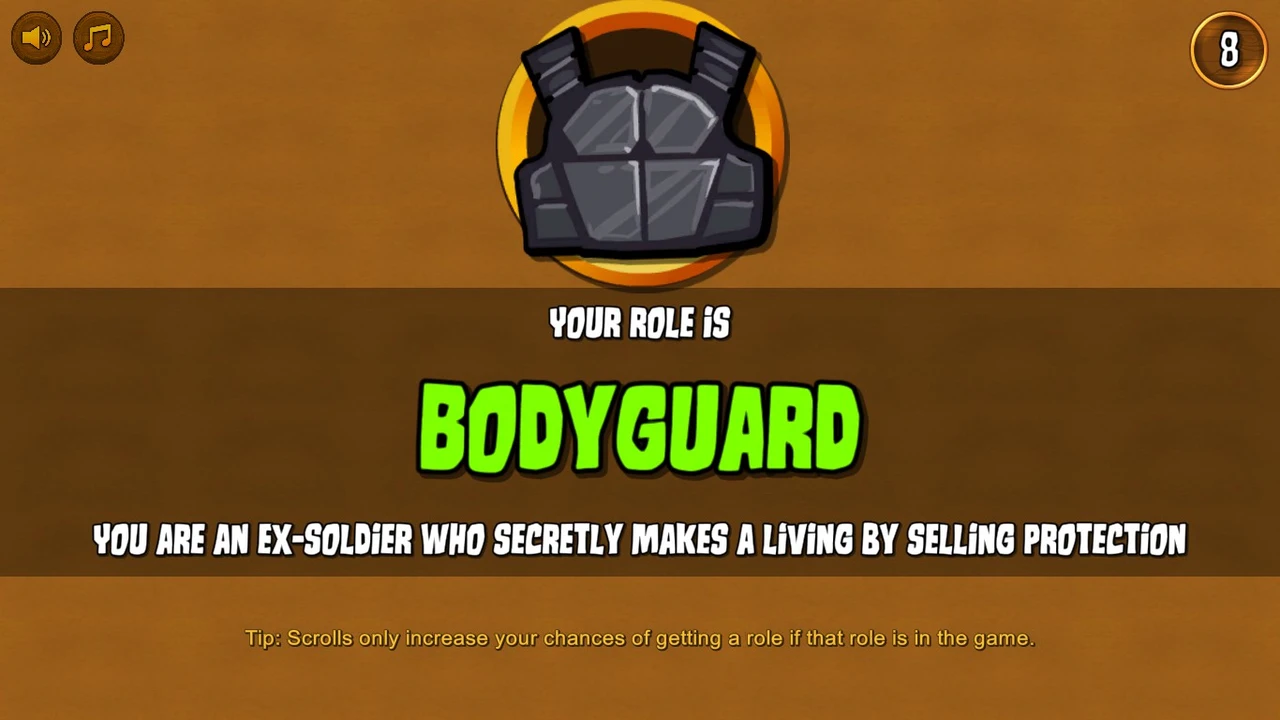
Bodyguard
Guard a player and punish an attacker who chooses that target.
Read Bodyguard guide →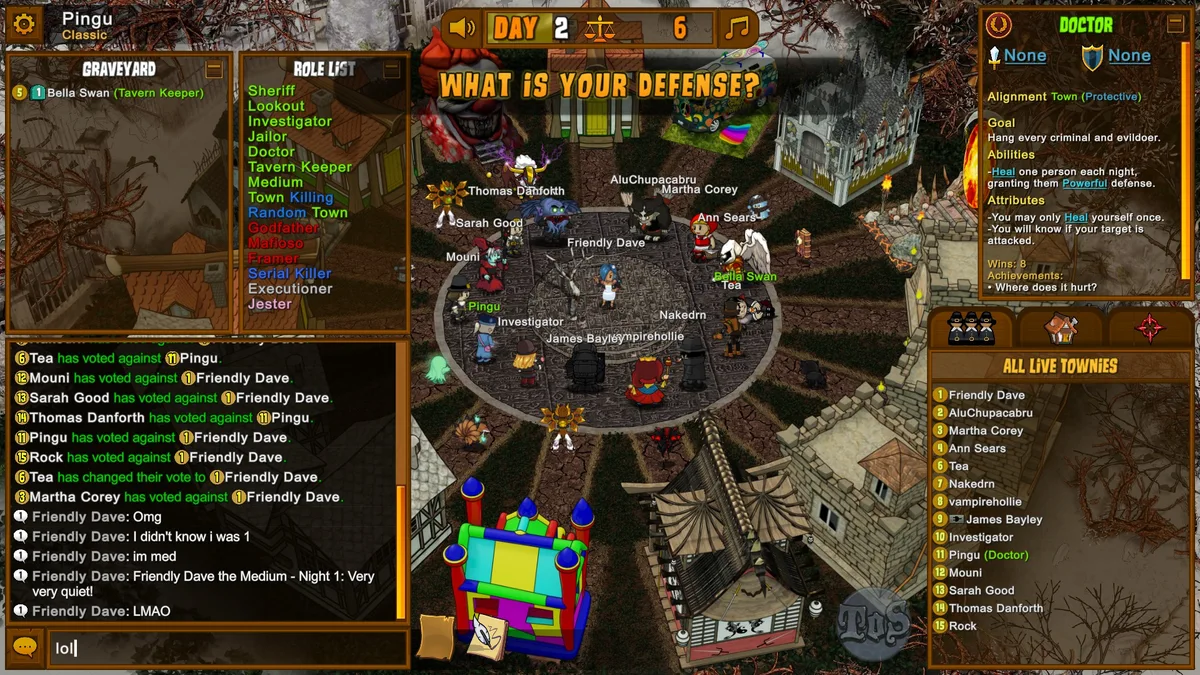
Doctor
Heal a player and prevent a lethal attack when your read is correct.
Read Doctor guide →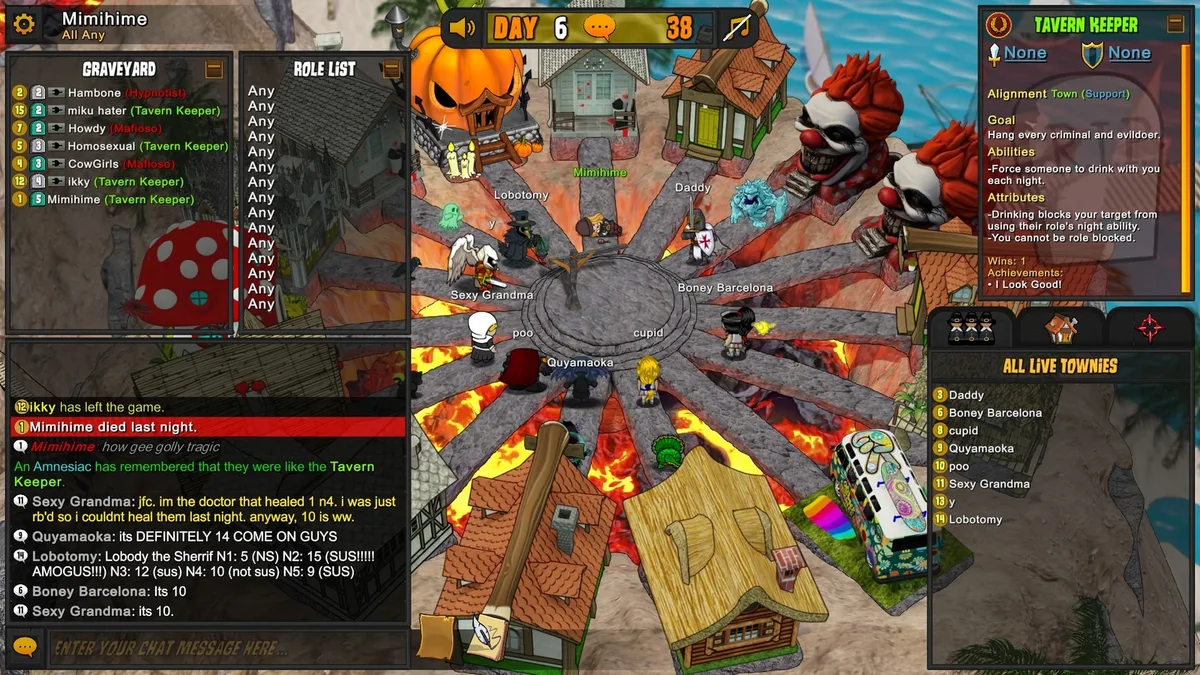
Tavern Keeper
Roleblock a player to stop an action or create a testable contradiction.
Read Tavern Keeper guide →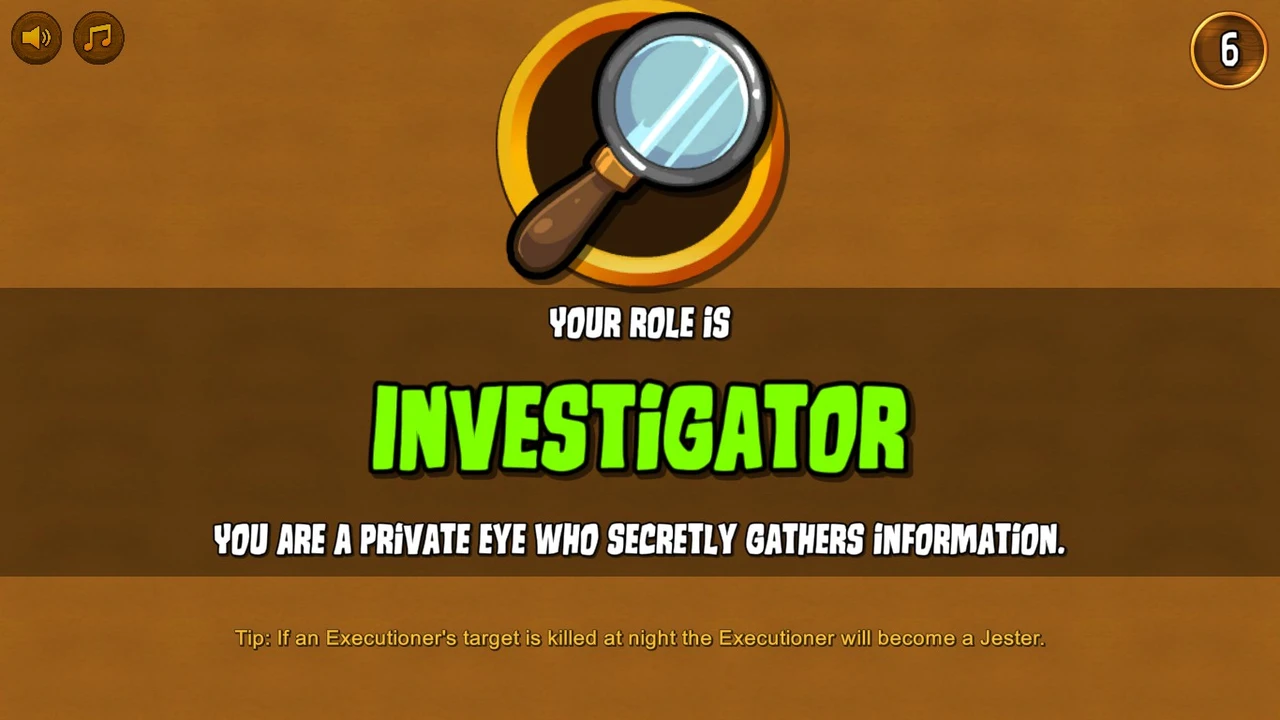
Investigator
Receive role-group clues and use them to narrow claim space.
Read Investigator guide →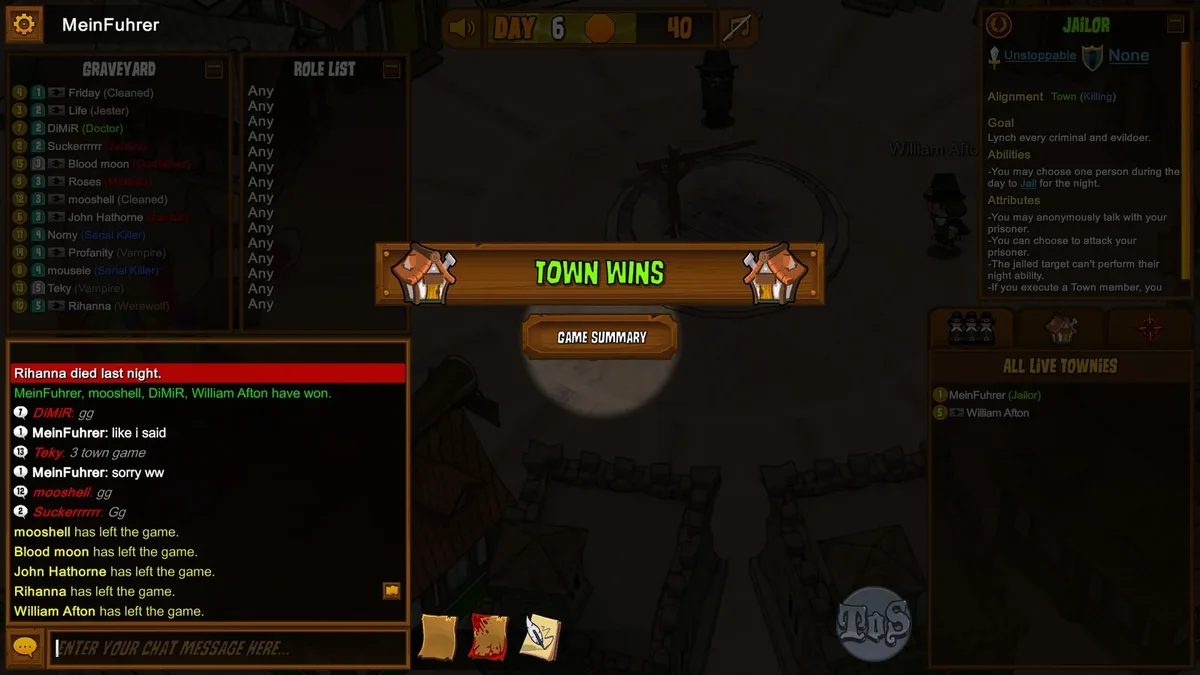
Jailor
Detain a player for private questioning and execute when evidence is strong.
Read Jailor guide →
Lookout
Watch a target at night and map who visited them.
Read Lookout guide →
Mayor
Reveal for major voting power and turn a close day into Town control.
Read Mayor guide →
Medium
Recover information from the dead that the living can no longer access.
Read Medium guide →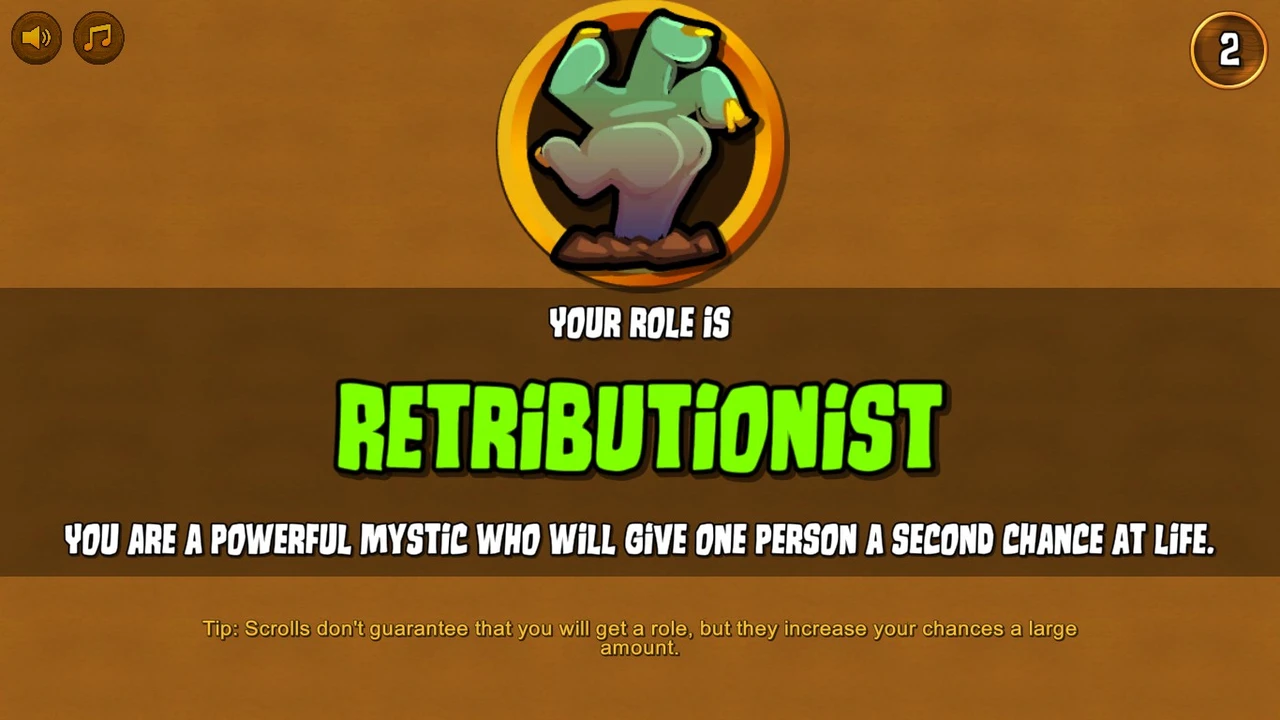
Retributionist
Reuse the abilities of dead Town roles to extend the information economy.
Read Retributionist guide →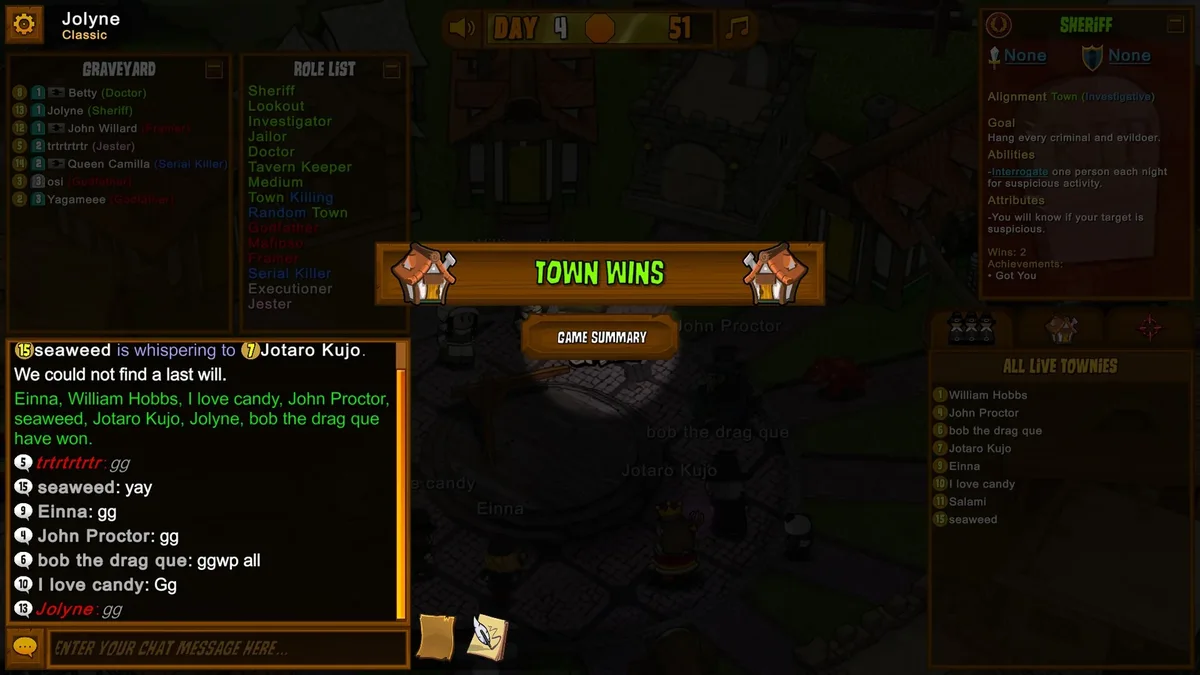
Sheriff
Check a player for suspicious activity and publish results in context.
Read Sheriff guide →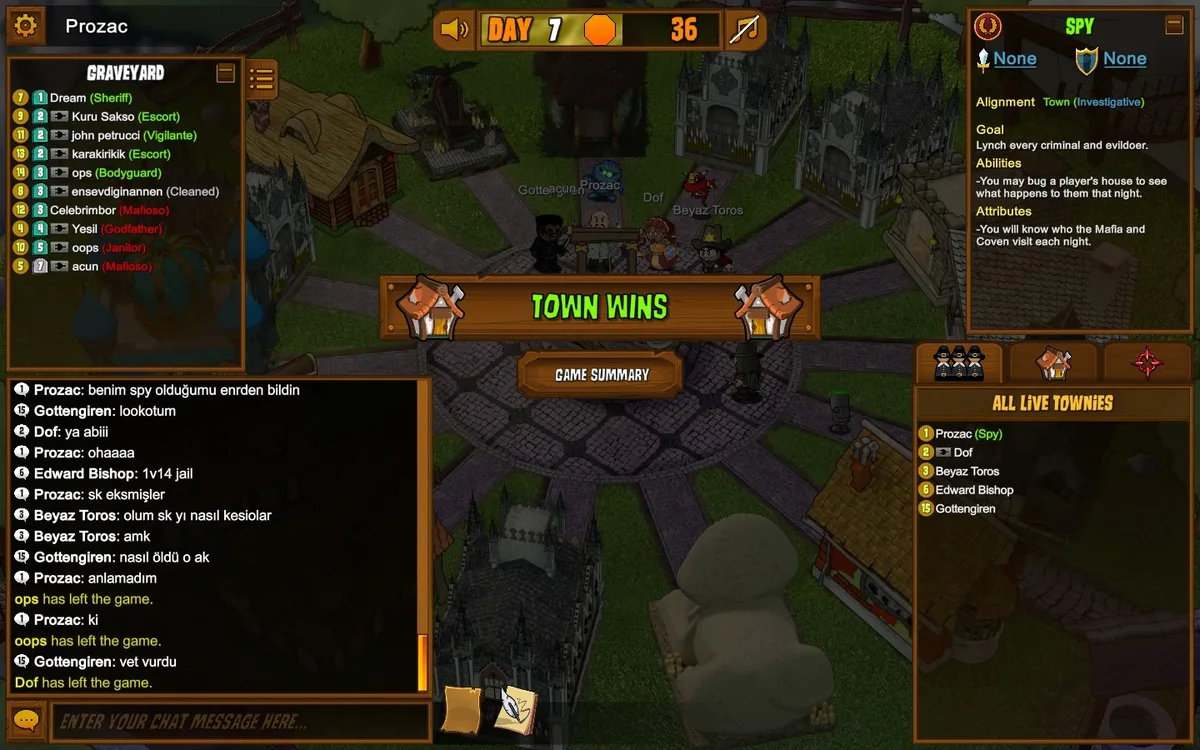
Spy
Track faction visits and bug targets to create interaction evidence.
Read Spy guide →
Transporter
Swap two targets and reshape how night actions resolve.
Read Transporter guide →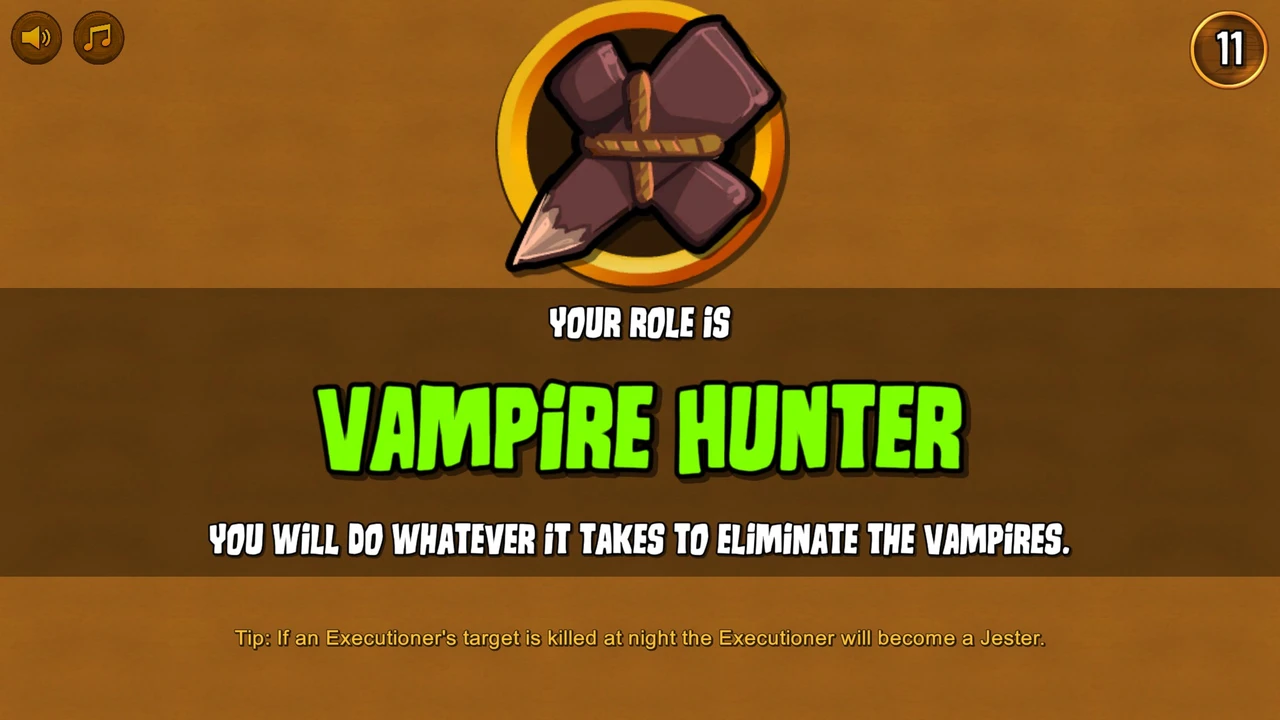
Vampire Hunter
Hunt Vampires, listen to their night chat and change jobs when the last Vampire dies.
Read Vampire Hunter guide →
Veteran
Go on alert to punish visitors while avoiding friendly casualties.
Read Veteran guide →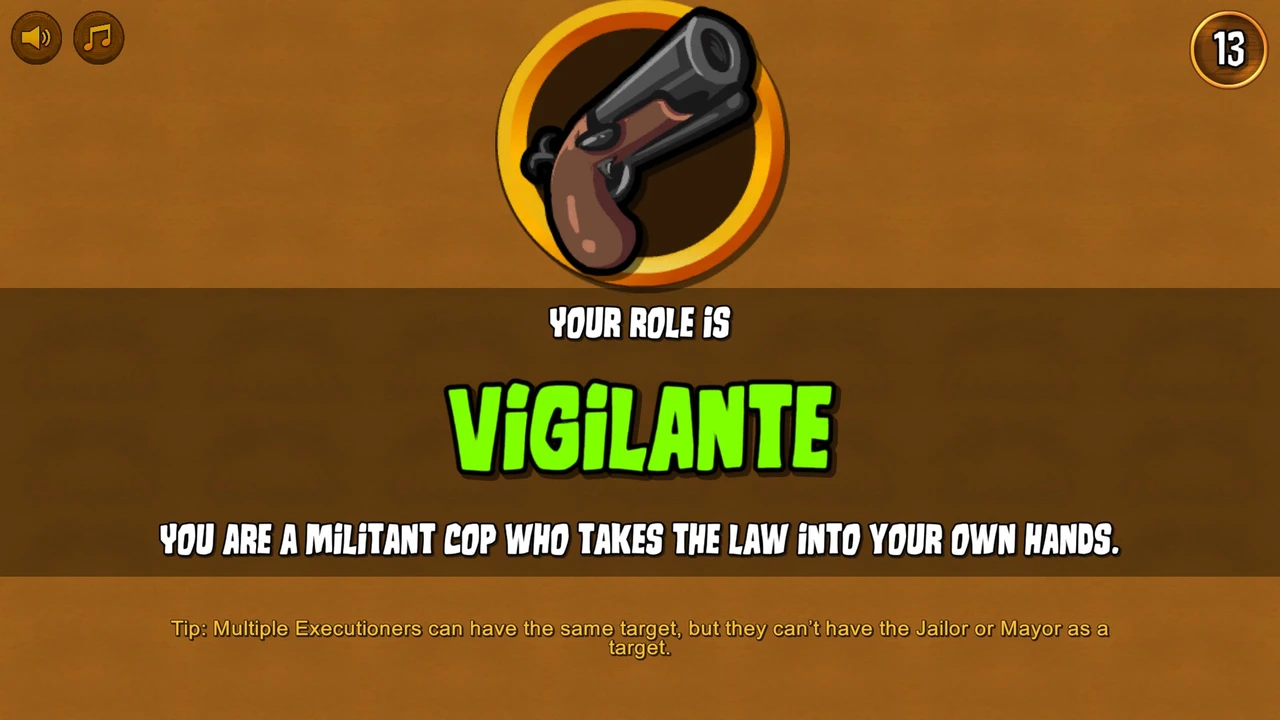
Vigilante
Use limited shots to remove evil roles once the evidence is strong enough.
Read Vigilante guide →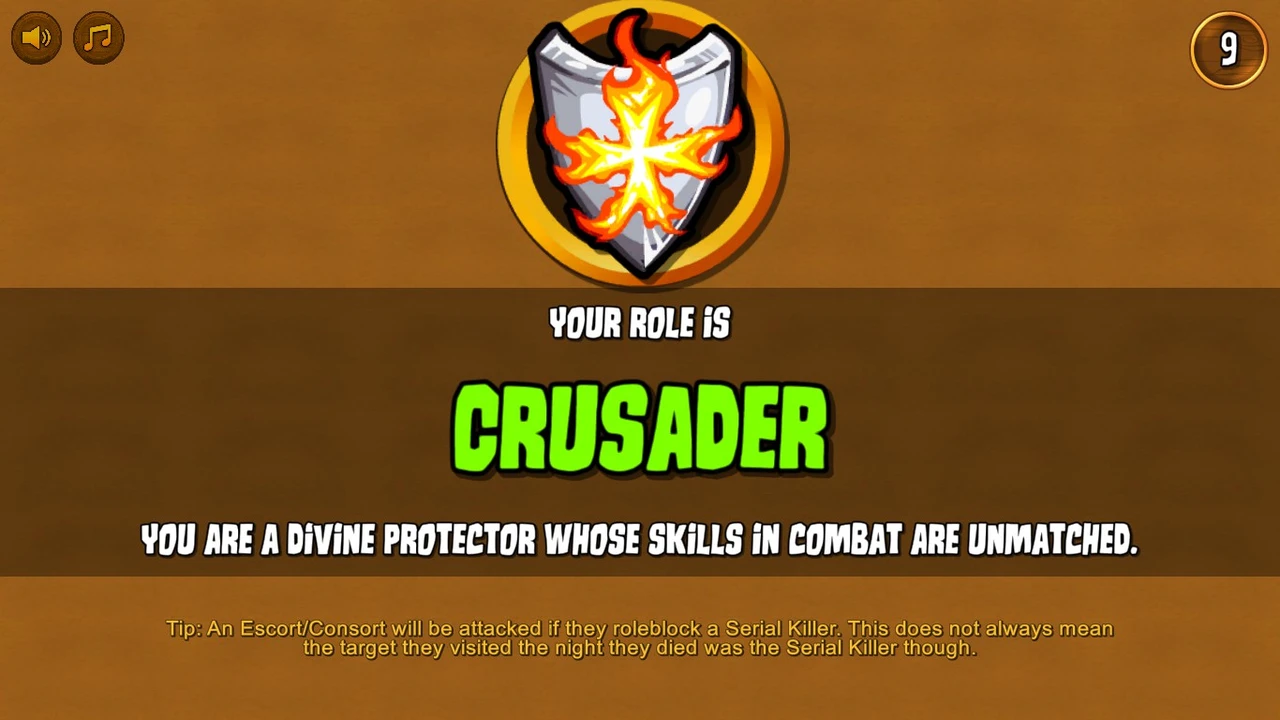
Crusader
Protect a player with Powerful defense while risking an attack on another visitor.
Read Crusader guide →
Tracker
Follow one player and learn where that player went during the night.
Read Tracker guide →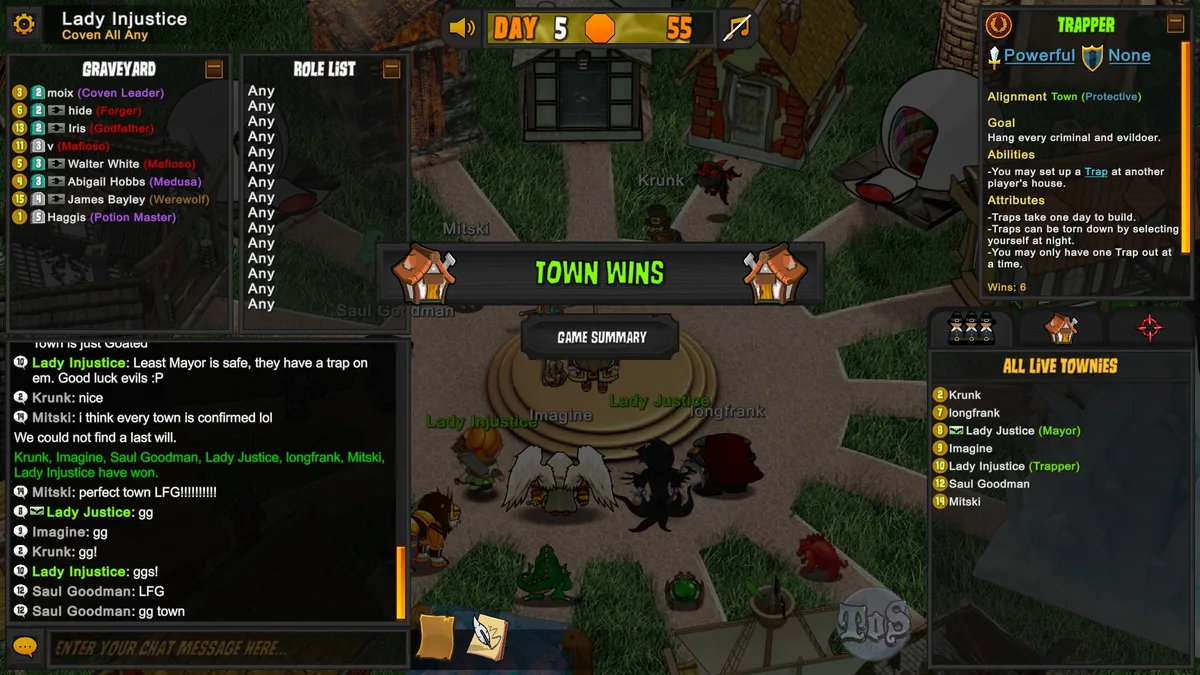
Trapper
Build a trap, place it on a player and use its protection and visitor information.
Read Trapper guide →
Psychic
Use alternating evil and good visions to narrow groups of possible alignments.
Read Psychic guide →Town of Salem support roles and information flow
Town of Salem support roles are strongest when their utility creates information the rest of Town can verify: a roleblock that contradicts a claimed action, a transport that explains an unexpected target, or voting power that converts a solved board into a safe elimination. Support should make the evidence graph clearer, not merely produce activity.
Vampire Hunter

Hunt Vampires, listen to their night chat and change jobs when the last Vampire dies.
Vampire Hunter is a Town Killing role built around the Vampire threat. At night, select someone to check for vampirism: a Vampire is staked, while a non-Vampire survives the check. A Vampire that visits you is also in danger. You can hear Vampire chat, which supplies another kind of evidence beyond your chosen target.
Record checks separately from anything inferred from the conversation. A checked non-Vampire is not automatically Town: Mafia and other hostile roles can pass that particular test. Likewise, a suspicious line in Vampire chat is useful only if you can connect it to a living player without guessing.
Once all Vampires are gone, your role changes to Vigilante. Read the new role card before selecting another action; a former Vampire check is no longer the same as firing a Town bullet. Check the setup before making a Vampire Hunter claim, because the claim must fit a game that can contain Vampires.
Crusader

Protect a player with Powerful defense while risking an attack on another visitor.
Crusader is a Coven-expansion Town Protective role. It gives its target Powerful defense and can attack a visitor to that target. Protection and visitor damage are separate parts of the ability: the person you save can survive while a friendly investigator or healer dies at the same house.
Coordinate around predictable visits. If a Jailor is receiving several protective and investigative visits, sending a Crusader there can harm Town even when the protection succeeds. Explain your intended protection policy without inventing a confirmed attacker from an unexplained death.
Keep the protected target and any reported visitor death in your will. A Crusader does not choose a particular visitor to strike, so a dead visitor is not proof that you deliberately identified an evil role. Vampires have a special interaction: a Crusader does not attack them as ordinary visitors, although the protection can still prevent their attack.
Tracker
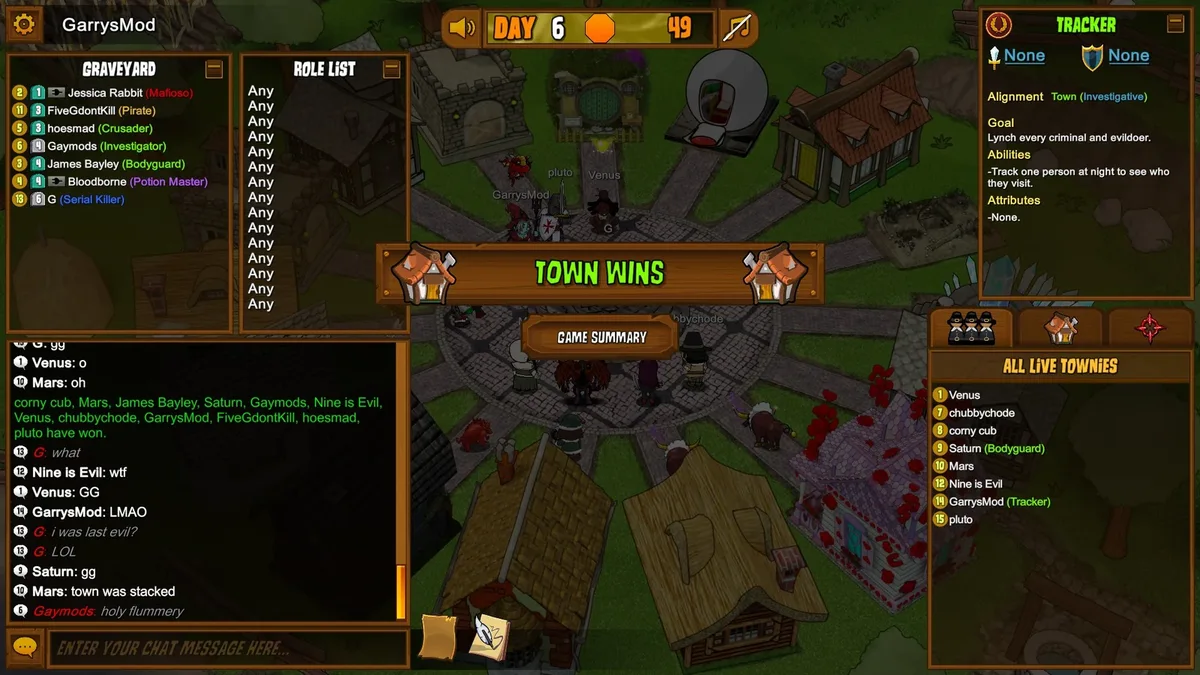
Follow one player and learn where that player went during the night.
Tracker follows a player’s outgoing visits. Lookout watches incoming visitors to a house. That distinction matters when two reports appear contradictory: “5 visited 9” and “5 was visited by 9” describe different actions, and only one of them is a Tracker result.
Write the selected player first, then the reported destination or destinations. Compare that record with the player’s claim. A Doctor who claimed to heal 3 needs an explanation if the tracked destination was 8. Before voting, check whether transport, control or another supported interaction accounts for the difference.
A visit alone does not reveal an alignment, and no reported visit does not prove innocence. Non-visiting roles can still be hostile. Choose targets whose claimed actions produce a useful test, then explain exactly which part of their story the result supports or contradicts.
Trapper
Build a trap, place it on a player and use its protection and visitor information.
Trapper has a preparation cycle. Building a trap and placing a completed trap are different night actions, and only one trap can be active at a time. Selecting yourself tears down your deployed trap. A will that records only “protected 7” loses the distinction between preparing protection and actually having it in place.
Choose a target before the likely attack arrives. Moving protection repeatedly has a cost because rebuilding takes time; a stable information role can be a better investment than chasing every public claim. A triggered trap can also supply information about visiting roles, which must be compared with the current claims and the night’s deaths.
Keep a short state log: building, placed, triggered or dismantled. Do not report the names of visitors when your feedback only identified their roles. When claiming Trapper, explain the preparation sequence as well as the final target so the Town can test whether the timing was possible.
Psychic

Use alternating evil and good visions to narrow groups of possible alignments.
Psychic receives a vision each night. An odd-night vision lists three players and includes at least one evil player. An even-night vision lists two players and includes at least one good player. The result constrains the group; it does not assign an exact alignment to every listed name.
For example, an evil vision containing 2, 6 and 11 does not justify voting 2 simply because that player spoke last. Obtain all three claims, compare their action histories and keep earlier visions in view. If reliable evidence resolves two members of the group, the remaining possibility becomes much more informative.
Copy the complete vision, night number and vision type into your will. Never shorten it to a single “suspicious” name. A good vision is not a pair of confirmed Town members, and a persuasive claim is not sufficient to erase a player from an evil vision.
