Ranked and Ranked Practice
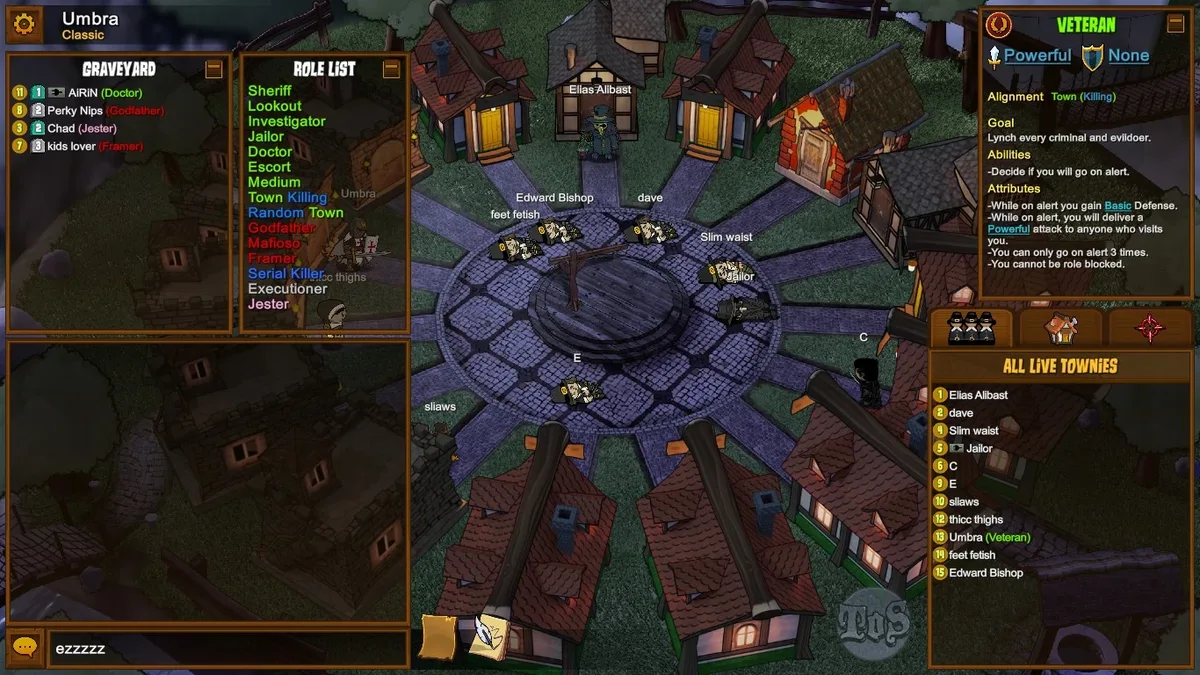
Ranked is the competitive queue; Ranked Practice provides a place to learn its style of structured claims and coordinated voting. Read the current role list in both. A remembered season’s setup is not sufficient to disprove a claim if the list has changed.
Practice keeping an up-to-date will, answering a role request directly and explaining the next vote from evidence. Queue access requirements and ranking belong to the current client. Finishing a practice game does not by itself guarantee that an account meets every Ranked requirement.
Town Traitor
In Town Traitor, a player with a Town role secretly helps the hostile faction. The ability can be genuine while the allegiance is hostile: a correct heal, investigation or public reveal cannot solve every loyalty question. Watch how a player uses information and which outcomes their votes support.
The final hunt has a countdown and mode-specific rules. Read the timer and count the remaining trials rather than relying on the usual assumption that Town can wait indefinitely. The Coven Town Traitor section explains the expansion variant.
Dracula’s Palace
Dracula’s Palace centers the Vampire conversion threat and the roles that interact with it. A player’s earlier alignment may not describe their current objective after conversion. Keep the timing of checks and deaths, and learn the Vampire Hunter interaction before treating a successful Vampire check as general Town confirmation.
Rainbow, Rapid and other special lists
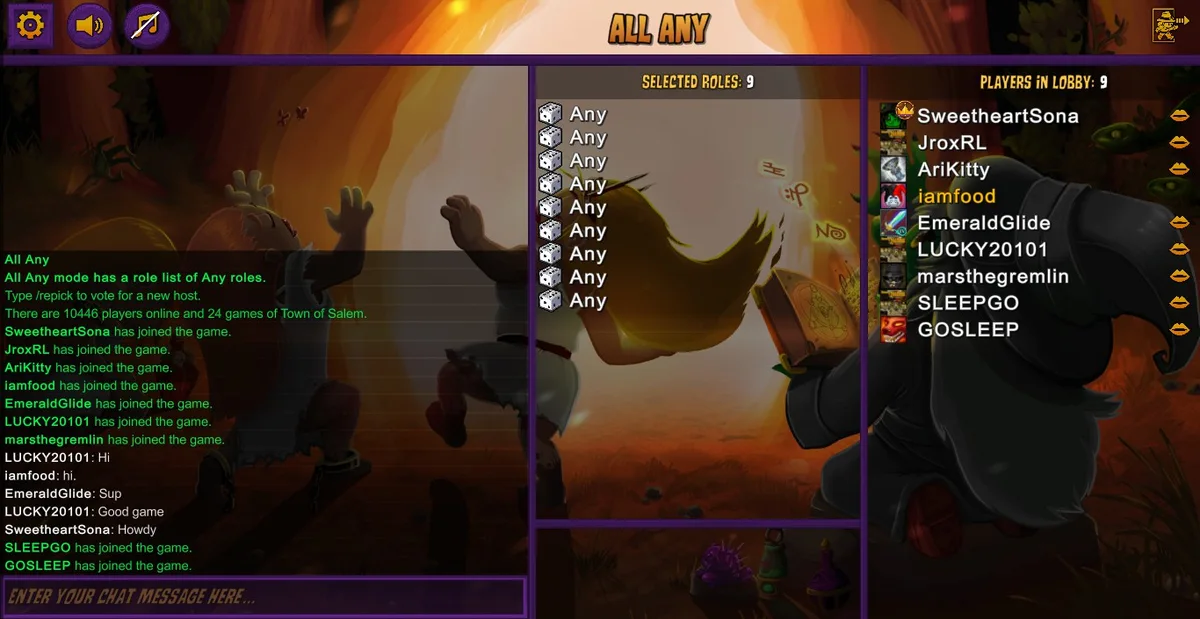
Rainbow and Rapid are special-format names associated with the original game’s mode history. They are not substitutes for reading a present lobby: a special list can concentrate dangerous roles or change how much time a player has to discuss and act. Use Custom to inspect the actual setup instead of assuming that every named historical queue is currently available.
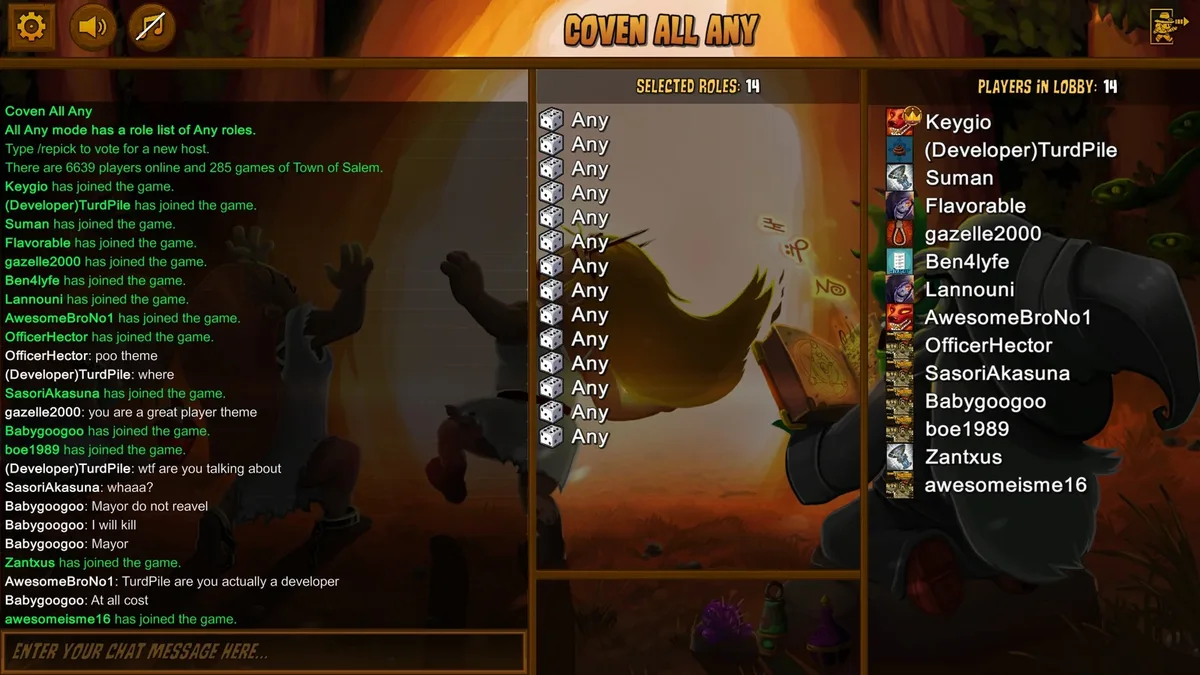
For VIP, Lovers and the expansion’s open setup, use the Coven mode guide. Mode availability and rotation can change; the visible client lobby determines what you can join now.