
Why Classic is the best place to learn structure
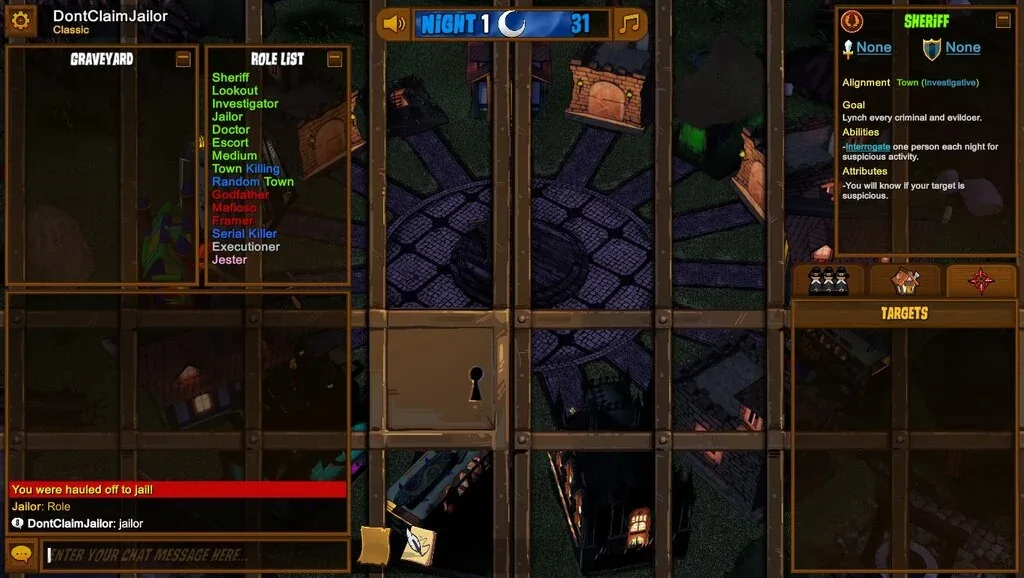
Town of Salem Classic gives new players a clearer relationship between the configured role list and the claims they hear during the day. You still need behavioral reads, but the mode rewards mechanical accounting: which Town categories remain, which evil roles could explain the night, and whether two living claims are trying to occupy the same limited space.
Build a role-list ledger
At the start of the match, copy the visible role list into a compact note. After each death, mark confirmed information. After each credible reveal or mechanically supported claim, mark that slot as provisionally occupied. The point is not to “solve by spreadsheet”; it is to stop the lobby from forgetting that several attractive claims cannot all be true at once.
Investigation results need context
A Town of Salem Investigator result narrows possibilities, while a Sheriff result adds a suspicious/innocent constraint. Neither replaces the role list. Compare the result with graveyard roles, claim timing and visit information. A target can fit a result group and still be lying about which member of that group they are.
VFR in Classic
Town of Salem VFR works best when it is used to fill the claim map, not as a ritual execution queue. Ask for a claim, record it, and move on if another night or another role can test it safely. When claims collide, return to chronology: who claimed first, what information was available then, and which night actions support each side?
Classic endgame
Structured lists can make late-game solving cleaner, but only if you count vote parity before hanging a suspect. Model the next night: which killing role acts, which protection can intervene, and which player controls tomorrow’s majority. A mechanically correct read can still lose when the execution order is wrong.
