
The Town of Salem night phase creates most private actions; the Town of Salem day phase turns those hidden events into public claims, votes and trials.
Before Night 1: read the Town of Salem lobby
The Town of Salem lobby determines the setup you are about to solve. Read the role list or configured mode before the game begins, because claim space, counterclaims and investigation results only make sense relative to the roles the lobby permits.
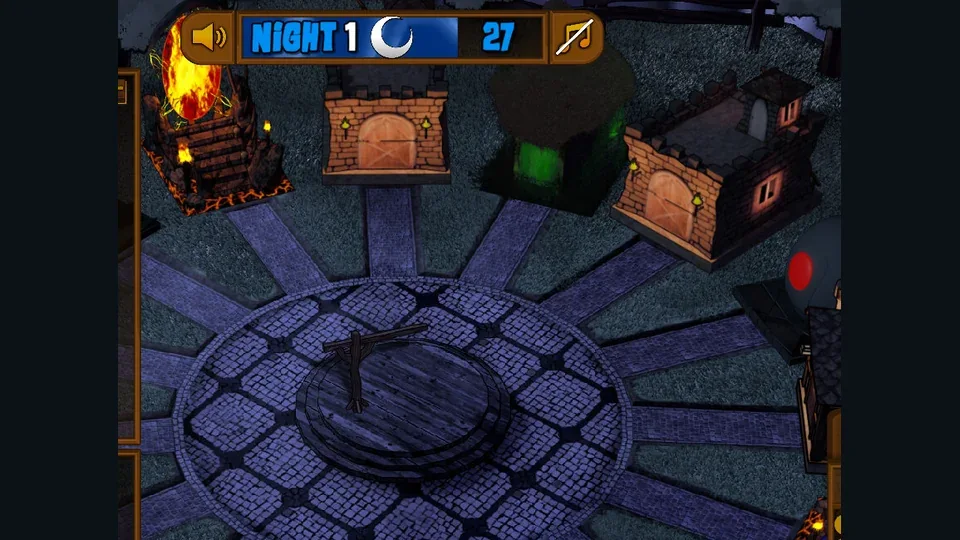
Night: private decisions
Players select targets, use abilities, and create hidden interactions. Record your action before the result appears so your timeline cannot drift.
Morning: public consequences
Deaths, messages, and surviving players create the first shared evidence of the new cycle. Compare outcomes with your expected result.
Day: claims and pressure
Players reveal information, ask for claims, test contradictions, and decide which uncertainty deserves the most attention.
Trial and vote: irreversible choice
Voting converts discussion into a board change. Before committing, count the remaining votes and ask which faction benefits if the target flips as claimed.
Setup and role assignment
Read the assigned role’s victory condition before choosing a target. Note which actions happen during the day: for example, Jailor selects a prisoner before night. The phase label alone does not tell you when every role must act.
Night: actions create hidden events
If you select Player 4, write “N1 — selected 4” before the timer ends. When the game returns feedback, append the actual message. Do not silently replace 4 with another number because someone later claims a transport; preserve the original choice and add the proposed explanation separately.
Morning: the board changes
Read personal feedback as well as public deaths. A player surviving does not establish that nobody attacked them. A cleaned death leaves missing information, and a forged role can make the public record unreliable. Mark those limits before counting occupied slots.
Discussion: private information becomes public evidence
Discussion is for publishing observations and resolving conflicts. Once nominations open, players can vote to put someone on trial. A request for a role is not a guilty verdict: collect the claim and test it against the available slots, night record and plausible interactions.
Trial and judgement
During defense, the accused should give a role, complete will and direct answer to the alleged contradiction. Judgement follows with guilty, innocent or abstain choices. Conviction needs more guilty voting power than innocent; a tie acquits. Count revealed Mayor votes correctly and calculate what each outcome leaves for the next night.
